
Childproofing Essentials for Babies and Toddlers: A Room-by-Room Guide
3 min read
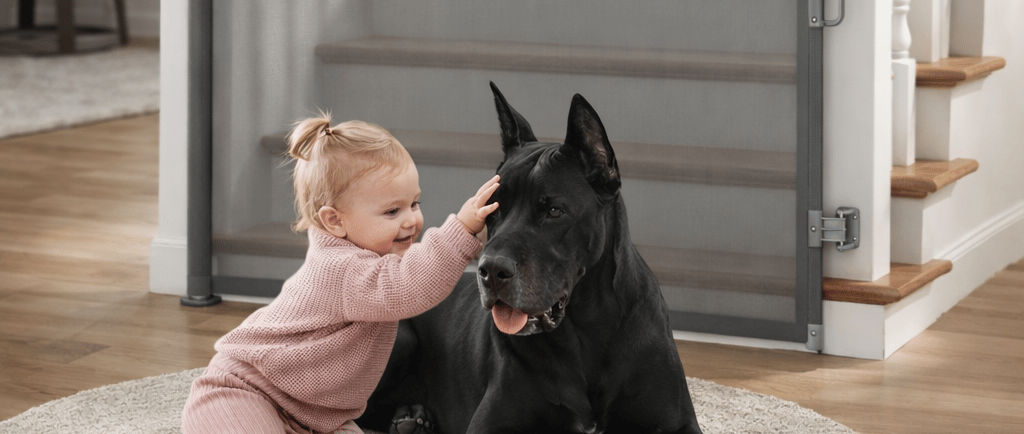
Baby & Toddler Safety Gear Every Parent Should Have at Home
Once babies start rolling, crawling, and walking, safety becomes part of everyday life. Many parents know they should babyproof, but it’s not always clear what’s actually necessary and what depends on your home and your child.
This guide covers the baby and toddler safety gear parents actually use, focusing on preventing the most common household injuries without overcomplicating things.
Safety Gear to Prioritize First
Some safety items become important quickly, especially once babies start moving.
These basics address the most common risks and are easy to install.
Living Room & Common Areas
Babies often spend the most time in shared spaces, which makes these areas a priority.
Securing large furniture is especially important once babies begin pulling up.
Kitchen Safety Essentials
The kitchen contains multiple hazards and should be addressed early.
These items help prevent burns, poisoning, and access to unsafe tools.
Bathroom Safety Gear
Bathrooms combine slippery surfaces, water, and medications, making them a high-risk area.
Installing these early can help prevent accidents before they happen.
Nursery & Bedroom Safety
Even spaces designed for babies need safety adjustments as they grow.
As babies become more mobile, door and window safety becomes more important.
Travel & On-the-Go Safety Gear
Safety doesn’t stop once you leave the house.
These items are especially helpful for visiting family or staying in unfamiliar spaces.
Outdoor & General Safety Gear
As children grow into toddlers, additional safety needs come into play.
Pool gates or alarms, if applicable
Door stoppers to prevent finger injuries
Toddler harness backpacks for busy environments
These products are commonly used between ages one and three.
Safety Gear That Depends on Your Home Setup
Not every safety product is necessary for every household. Some items are helpful only in specific layouts, living situations, or stages.
Wipe warmers labeled as safety products
These are usually convenience items and don’t meaningfully improve safety.Multiple baby monitors in small homes or apartments
One reliable monitor is typically enough in compact spaces.Overlapping locks on the same cabinet or drawer
Using more than one lock in the same spot doesn’t add protection and can make daily use frustrating.Products without clear safety ratings or age guidance
If a product doesn’t explain how it improves safety or what standards it meets, it’s usually best to skip it.
Choosing safety gear based on your home and how your child moves through it helps keep things simple and effective.
When to Start Babyproofing
Many parents begin babyproofing between four and six months, but some safety measures like furniture anchoring and outlet covers can be installed earlier. It’s often easier to prepare ahead of time rather than react once mobility increases.
Final Thoughts
Baby and toddler safety gear doesn’t need to be overwhelming. Focusing on fall prevention, poisoning prevention, burn risks, and tipping hazards covers most household concerns. Start with the basics and add more as your child grows and explores new spaces.
The goal isn’t perfection. It’s creating a safer environment that gives parents peace of mind as their children grow.
To make things easier, I’ve linked my favorite baby and toddler safety gear below. These are parent-approved, easy to install, and actually used daily.
Chelsea Jean
Contact
Stay connected
xochelseajean@yahoo.com
For questions, collaborations, or general inquiries, feel free to reach out.
© 2026. All rights reserved.
A calm, thoughtfully curated space sharing helpful content and trusted recommendations to make modern motherhood feel a little easier.